


What is Spirulina
Natural Supplements for Cancer Prevention
Facts on what is spirulina: It is a kind of natural blue green algae. Its name comes from its natural shape -- spiral coil.
It grows in tropical salt lakes (both sea and fresh water). It has existed for more than 300 billion years.
According to what is spirulina information, Dr. G. Clement was the scientist who discovered the remarkable Spirulina health benefits such as prevention of cancer in 1962.
Today, it is available and used as natural supplements together with Ganoderma Extract.
What is Spirulina and its safety?
Based on spirulina facts, its natural uniqueness and superiority among blue-green algae lie in its enduring history of safe use. Proofs of its safety include . . .
- It was used by the Aztecs in Mexico as their food for more than 5 centuries before the algae was used as supplements.
- It is being consumed by indigenous African people today.
- Millions of people world-wide have taken the algae as one of their food supplements for the past 20 years.
- The United Nations and the World Health Organization recognize the importance of this natural algae and call it as a complete food. They both endorse Spirulina as safe and healthy for children.
It is a highly natural alkaline food. In 1983, it won the Best Natural Food Award in the International Food Expo in West Germany.
Today, Spirulina is made into natural food supplements. It is cultivated in ponds that are under controlled and natural settings to prevent it from being contaminated with heavy metals.
What are other nutritional Spirulina facts?
It is a natural and superior source of vegetable protein. In fact, it contains up to 77% level of highly digestible natural protein. Wow! Just imagine that. This is beneficial if you suffer from poor digestion and you have a hard time digesting meat or if you are following a restricted diet.
If you are a vegetarian and you get your protein supply from plants, let me share with you this great healthy bit of info: The natural protein the best spirulina supplements contain is far superior compared to typical protein plant.
What is spirulina? Supplements containing the algae are complete source of natural protein as it has all the essential amino acids. Although it has lesser methionine, lysine and cystine if you compare its protein content to proteins from milk, meat and eggs.
It is rich in natural Essential Fatty Acids or EFAs such as GLA, DHA, ALA and EPA. It is a very good source of Vitamins B1, B2, B3, B6, B9, C, D and E and minerals such as...
- potassium,
- calcium,
- copper,
- iron,
- chromium,
- selenium,
- phosphorous,
- zinc,
- manganese, and
- magnesium.
What are the benefits of taking natural Spirulina supplements on your immune system?
The supplements can improve the functions of your immune system because it is rich in natural phytonutrients such as . . .
- phycocyanin,
- polysaccharides, and
- sulfolipids.
A healthy immune system reduces your risks for mild to severe infections and is required for the prevention of different types of cancer and even auto immune diseases.
It is extremely rich in photosynthetic pigments such as beta-carotene and chlorophyll. Beta carotene is an antioxidant that enhance the health of your cells and providing prevention against cancer. Chlorophyll acts as a natural cleanser for your body from the pollution you face everyday.
Related Article: What is Colon Cleansing
Some people who take Chlorella as their supplements think benefits of Spirulina and Chlorella are similar. The fact is the natural benefits they provide are not equal.
Related Article: Positive Spirulina Side Effects
What is the difference between Spirulina from Chlorella supplements?
Do you take Chlorella supplements? Here are facts you ought to know. Cholorella is also an algae. Being a green algae, it is also a natural nutritious food. It is also used as supplements today. But based on facts, Spirulina supplements are far superior than Chlorella because . . .
- it has anti-viral, anti-cancer and immune enhancing properties while Chlorella supplements do not have.
- its cell wall is made of digestible natural carbohydrates and complex proteins while the cell wall of Chlorella is made of cellulose that your stomach can't digest (the same with green grass).
- it does not contain saturated fats while Chlorella does. In fact, the total fat content of Chlorella is relatively high.
Now that you know how these 2 algae differ and what is Spirulina, be aware also that not all Spirulina supplements that are available in the market are the same in terms of quality. It is important to scrutinize the source of the supplements you're choosing. A danger you should consider when choosing Spirulina supplements lies in how natural they are and their quality. Make sure to choose only superior quality and the best natural supplements.
Click here for my recommended natural Spirulina immune system supplements.
What other supplements would you like to read about next?
Facts About Importance of Vitamin C
What does Vitamin C Do?
What is Ganoderma Extract, the Red Mushroom
Return from What is Spirulina to Immune System Supplements
Return from Benefits of Spirulina Supplements to Cancer Prevention

 |  |  |
Looking for something? Use Google Search box to find it! |
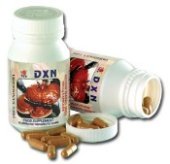 Ganoderma Extract Supplements |